Healthy covered soil
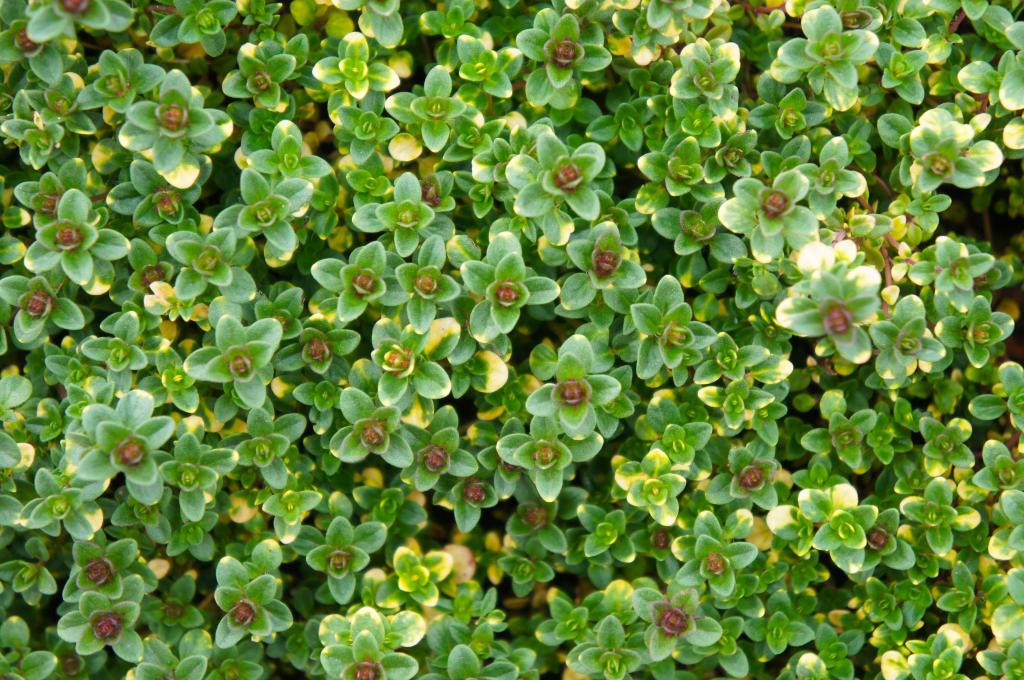
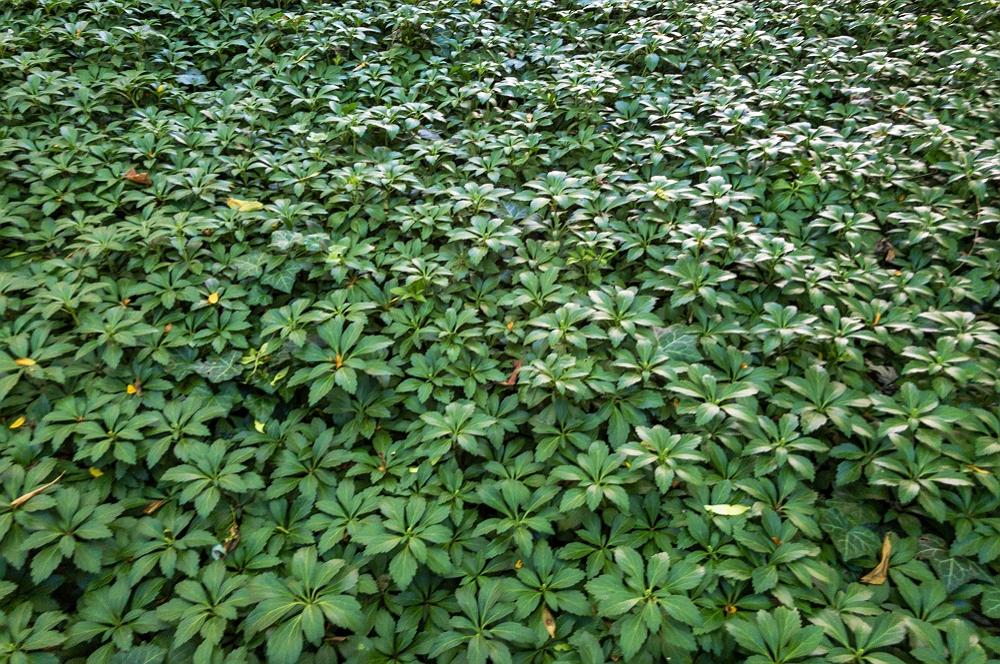
Rich, airy soil ensures healthy and strong plants. The healthier and stronger plants are, the less likely they are to suffer from disease. This prevents the unnecessary use of chemical pesticides. Make the soil healthy and fertile by adding compost or organic (cow) manure; artificial fertilizers are less suitable. In addition, weeds have little chance in a well-planted garden. Opt for dense plant cover and ground cover plants. Cover bare patches with a layer of compost, wood chips, cocoa shells, grass, or other organic material (mulching).
Costs
Healthy soil means plants are less likely to become diseased and die. This saves money because you don't have to buy new plants.
Flooding
In healthy soil, water can easily drain away in the garden.
Drought
Healthy soil retains water longer (depending on the type of soil). This means you need to water less during hot periods.
Heat stress
Ensure healthy soil and plenty of greenery in your garden. This helps prevent heat stress.
Water quality
Healthy plants are also less prone to disease and pests. This eliminates the need for chemical treatments.
Tip
Make your own compost (for free) from your garden waste.