Staying the Course in a Complex and Changing Environment
On April 15, our board approved the 2025 annual report. In it, the water board looks back on a year in which challenging weather conditions, stricter regulations, digitalization, and a tight labor market significantly impacted our operations. Despite these challenges, significant steps were taken to achieve the objectives for future-proof water management. The results are described in terms of the seven societal impacts outlined in the Water Plan 2022–2027.
Adaptive working as a necessity
In 2025, HHNK operated in a complex environment: limited resources, new national and European regulations, digitalization, and prolonged drought created significant uncertainty. By adapting to these changes, the organization was able to continue carrying out its most important tasks. Independent research confirmed that HHNK operates effectively. However, the changing environment requires us to continue strengthening this. Water Board Member Simon Ruiter says: “Our environment is changing faster than ever, and at the same time, our responsibility is growing. In 2025, we demonstrated that, despite external pressures and uncertainties, we can continue to work in a focused and reliable manner. This requires both flexibility and perseverance. Thanks to the dedication of our employees and our collaboration with partners, we have laid a solid foundation for the years ahead.”
Greater transparency and digitization
The regulatory burden increased once again, partly due to stricter requirements regarding information security, privacy, and enforcement. The water board therefore invested in data-driven operations, clear processes, and improved information provision. One of the innovations is fully automated crack detection in dikes via the board’s own cloud environment. In addition, the general board adopted the new 2026 Water System Levy Cost Allocation Regulation, which aligns with national changes. This regulation determines how water management costs are allocated among, for example, residents, businesses, and landowners.
Climate change calls for accelerated action
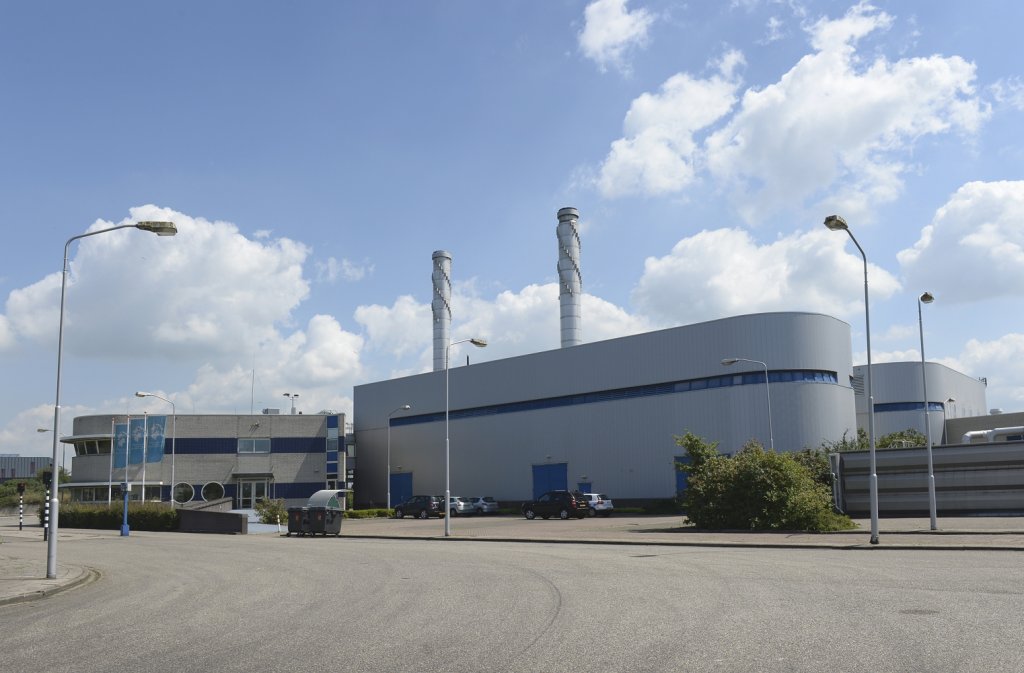
Much of 2025 was drier than average, with increased water demand and fluctuating groundwater levels. Dikes were subject to enhanced monitoring, and the Freshwater Availability Program Plan—which makes HHNK more resilient to water shortages—was adopted. The water board also took steps toward climate neutrality. The K35 climate policy, including the initial implementation agenda, was adopted. The closure of the sludge drying plant in Beverwijk was a major milestone and yields a structural savings of 15 million m³ of natural gas per year. As a result, CO2 emissions from operations have been reduced by as much as 99%.
Cooperation in the region
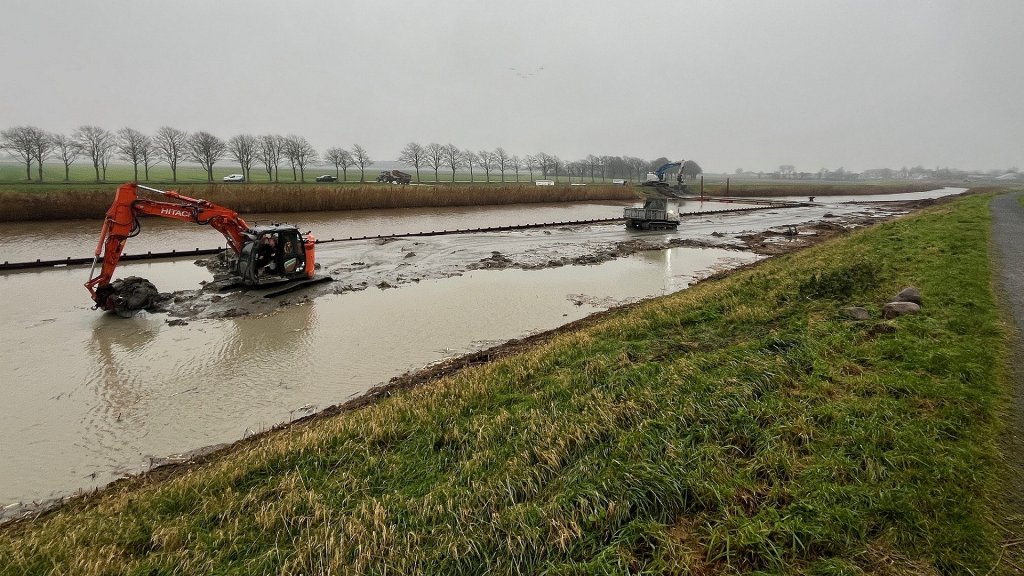
Collaboration with municipalities and partners was a key focus. The municipalities of Edam-Volendam and Landsmeer took over road management from HHNK. The General Board approved the conditions for the development of Dijkkwartier Den Helder, which combines flood protection with housing construction. After ten years of preparation, the groundwork has also been completed for the implementation of the Natte Infrastructuur Noordkop project. This project will improve fish migration and increase the diversity of fish species between the Wadden Sea, the IJsselmeer, and the North Holland hinterland that lies between them. The construction of the Oostoever pumping station has also been put out to tender.
Positive financial results, investments delayed
The water board ended 2025 with a positive operating result of €16.4 million. This is primarily due to delays in several of the water board’s projects, such as outstanding road transfers, windfalls in energy and subsidy items, unfilled positions, and lower staffing costs. Investments fell short of the revised budget by €23.1 million. Causes include complex permitting procedures, limited market capacity, and delays in the bidding process. These factors are considered structural and result in projects often having longer lead times.