sedum roof
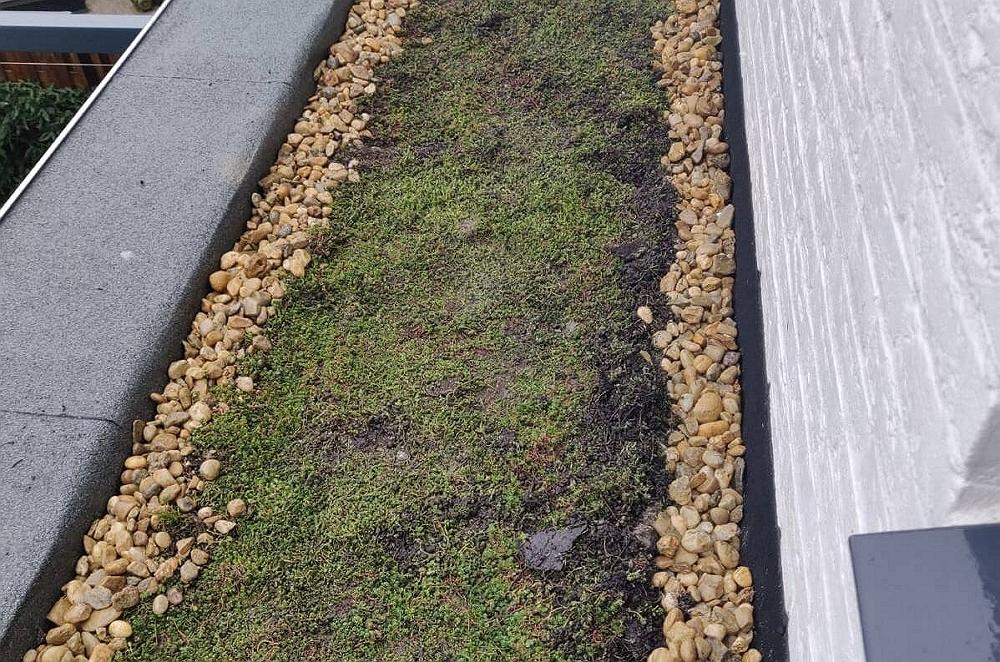
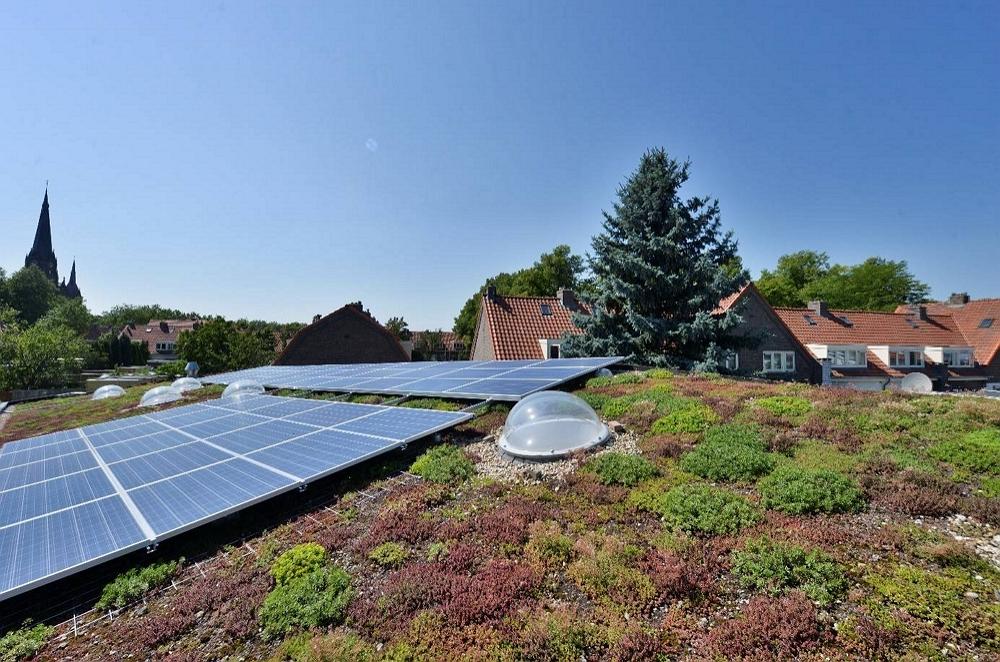
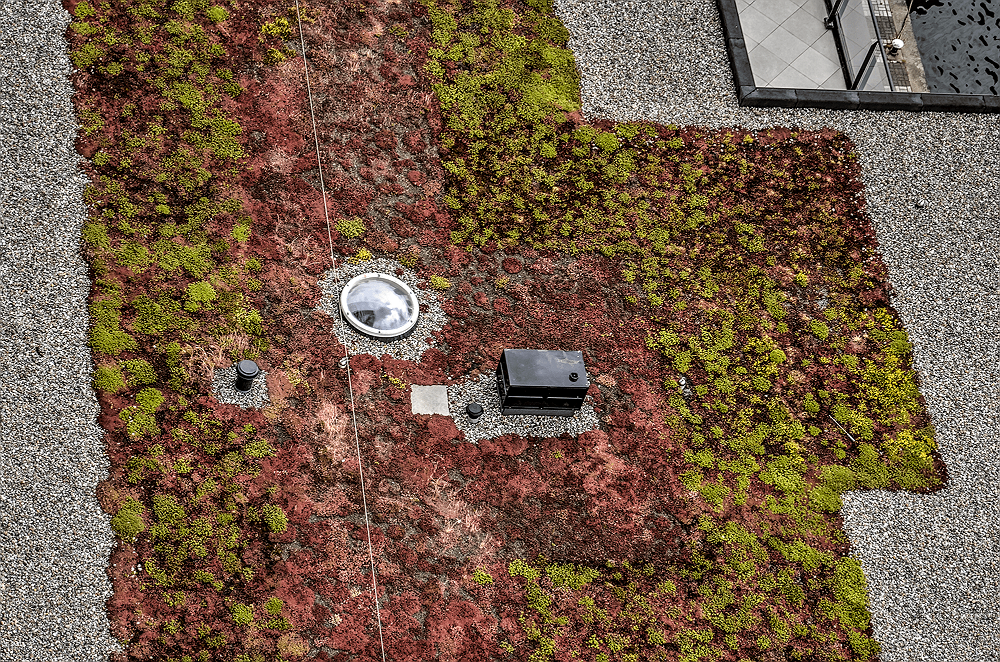
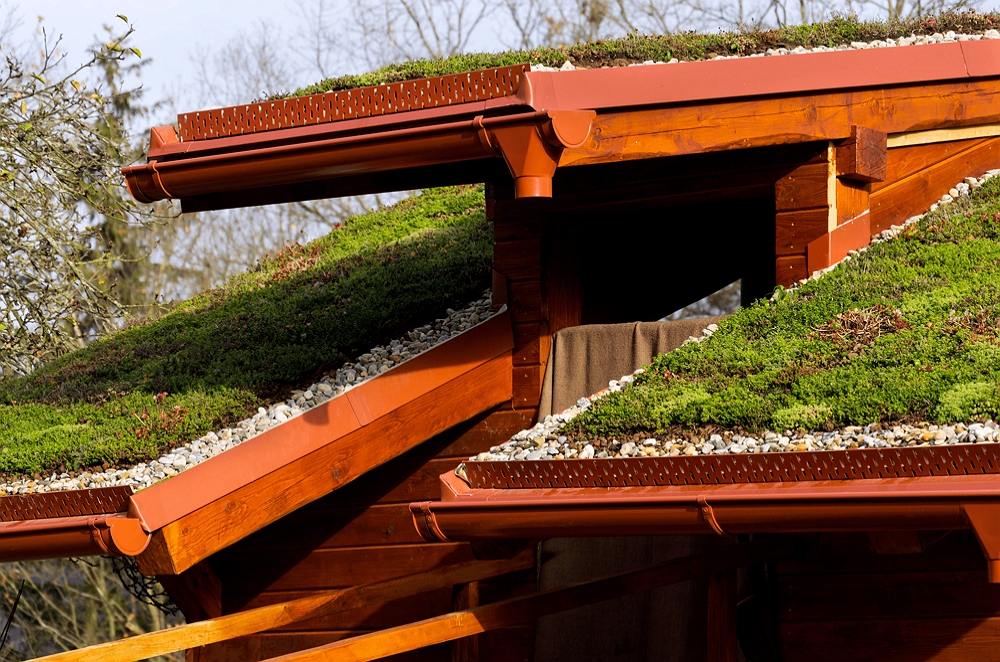
A sedum roof is a roof covered with succulent plants. These are strong plants that absorb moisture in their leaves. Sedum plants are ideal because they can store large amounts of water and thus withstand long periods of drought.
The amount of water that a sedum roof can retain is limited, so a sedum roof alone is not enough to make you completely water-ready. Combine a sedum roof with, for example, connecting the rainwater pipe to an infiltration facility or another solution.
Costs
A sedum roof is the cheapest type of green roof.
Use of space
A sedum roof does not take up any extra space in your garden.
Difficulty
It is important that the roof can bear enough weight to prevent leaks. The roof structure must have sufficient load-bearing capacity.
Earthmoving
No earthworks are required. However, the substrate and plants must be installed on the roof.
Maintenance
Just like in the garden, plants on the roof also need maintenance. Fertilizing annually is good for the plants. Tip: think about maintenance before planting. Checking drainage is important.
Climate goals
Sedum roofs reduce heat stress. They also slow down and reduce rainwater runoff. The roof also contributes to biodiversity. Sedum roofs do not solve the problems caused by heavy rainfall, as the water storage capacity is not large enough. In that case, a combination with an infiltration facility or the construction of a retention roof is necessary.
Biodiversity
Contribution to improving biodiversity
Points of attention
- The roof must be able to support at least 50 kg/m².
- Ensure that drains remain clear so that water can always flow away.
- Check the drains regularly.
- Weeds must be removed during maintenance.
- Annual fertilization benefits the plants.