
Tips for cleaner water
After contaminated water has undergone a purification process at one of our sewage treatment plants (STPs), the water flows back into the ditches at the end of the process. The water is then clean enough for aquatic animals to live in and for people to recreate in at official swimming locations.
But what doesn't go in doesn't need to be removed at the sewage treatment plant! Read our tips below to find out how you can contribute to cleaner water!
Tip 1: Do not flush debris down the toilet
Do not flush items such as grease, wipes, tampons, and contact lenses down the toilet. Do not flush small chemical waste (such as medicines, oil, turpentine, and paint) down the toilet either, but dispose of it separately. Anything that you flush down the sink or toilet that does not belong there is difficult to purify from sewage water and can cause blockages in the sewer system or at pumping stations.
Therefore, only flush the 3 Ps down the toilet: Poop, Pee, and (toilet) Paper. Throw all other items in the designated trash can.
Tip 2: Prevent litter
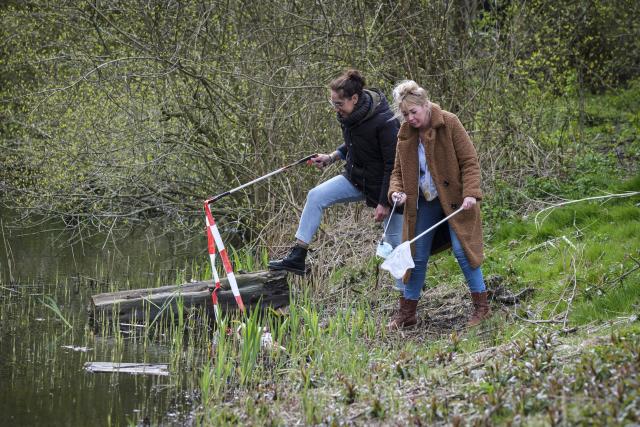
A banana peel can 'survive' for a year on the street, a piece of chewing gum for twenty years, and a plastic bottle never decomposes. Much of this waste eventually ends up in the water and the sea, forming a plastic soup. Waste belongs in the trash can. If you use a plastic bottle, return it for the sake of the environment and get your deposit back. Or choose a refillable water bottle and take your own (cotton) shopping bag to the supermarket. In North Holland, many people are actively fighting litter, such as the silent collectors and the Zwerfinator.
Tip 3: Check the current bathing water quality
What wonderful swimming weather! In summer, many people enjoy water activities such as swimming. As a water board, we regularly measure the quality of official swimming locations on behalf of the province. We also advise on measures to improve swimming water quality where necessary.
Swimming in nature is always at your own risk. Before taking a dip, check www.zwemwater.nl (external link). Under the 'Measurement data' tab, you will find the current water quality of the official swimming locations.
Tip 4: Use cosmetics without microplastics
Thousands of personal care products contain tiny plastic particles. These are microplastics, which the cosmetics industry refers to as microbeads. These beads are used in products such as shampoo and scrubs. Microplastics are invisible or barely visible to the naked eye and end up in the sewer system via the shower drain.
Read more about microplastics(external link) and their effects on the Plastic Soup Foundation website.
More tips
Looking for even more tips? For more tips, see the page What can you do yourself to ensure clean and healthy water?