Give nature a chance on the levee
The shore dike was constructed as part of the “Reinforcement of the Markermeer Dikes” project. In many places along the route, the dike itself was reinforced, but near Hoorn and Schardam, a shore dike was built in front of the historic West Frisian Omringdijk, which was thus left untouched. The shore dike provides space for a beautiful urban beach and a nature reserve currently under development.
More information about the Oeverdijk
The construction of the Markermeer dikes has resulted in both temporary and permanent damage to and loss of natural areas, both on land and in the water. This affects nearly 16 hectares of the Dutch Nature Network and the Natura 2000 site. These natural areas will be “restored” on the embankment and in the Tussenwater, south of the City Beach.
Enough rest
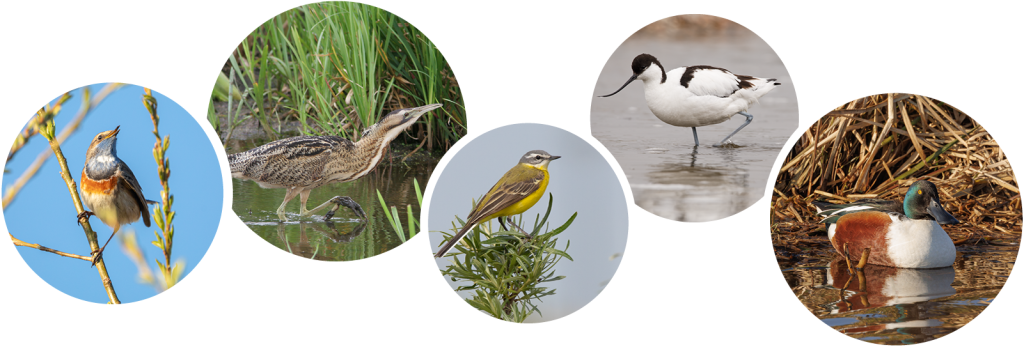
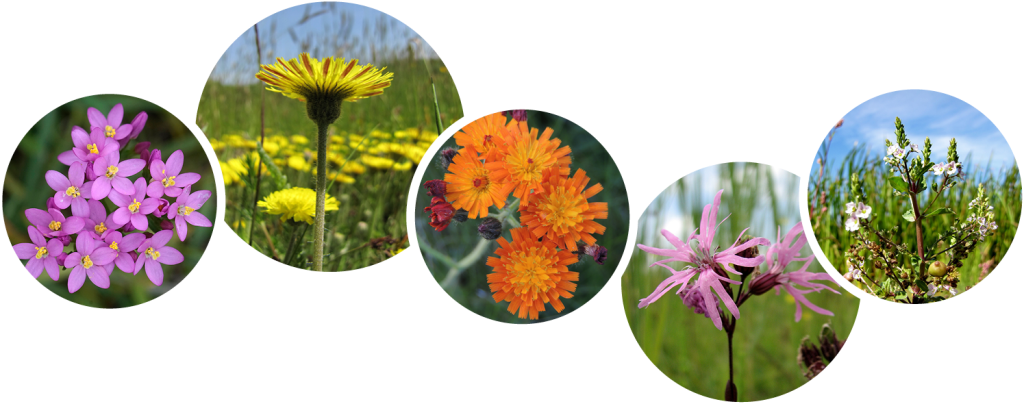
A bike path has also been built on the levee. To the left and right of it, various seed mixtures have been sown to produce plants that, in turn, attract insects, butterflies, and dragonflies. These plants, the soil, the available food, and the shelter options make the area attractive again to all kinds of birds that are welcome. All of this only happens if the plants are allowed to grow and there is sufficient peace and quiet. Because birds will only nest and settle here if they feel safe.
Strict rules
To give this development a chance to thrive, strict rules apply along the riverbank. Only the paths are accessible to people and dogs, which must be kept on a short leash. This is to prevent plants from being trampled and birds from being disturbed. We aim to create a lush, thriving plant community and a home for birds.
Complex rules
So which species are we talking about? And when is it considered sufficient? This depends on a combination of complex rules, in which both the structure of the landscape and the number of plant, butterfly, dragonfly, and bird species present are taken into account. These species are all defined. They don’t all have to be present, but a minimum number of species from each group—plants, dragonflies, butterflies, and birds—must establish themselves.
Monitoring
Various organizations monitor the number of species present in the area and how that number is changing. HHNK itself counts the plant species, the Royal Dutch Nature Society in Hoorn counts the birds, and Landschap Noord-Holland monitors the dragonflies and butterflies.
Ruff
Birds that are sensitive to disturbance have already been spotted here. For example, the extremely rare ruff has been observed resting and foraging here. Lapwings, redshanks, little ringed plovers, and Kentish plovers have also been seen and are nesting here. This means that the area is, in principle, attractive to these species. In 2025, the southern bike path was still closed during the breeding season; the birds are most likely to return if the area remains quiet.