
Pick up dog poop and trash
Clean and healthy water is important for nature, recreation, and our health. A simple but important way to help is by picking up trash and dog waste. What may seem like a small thing can have a big impact on the water—especially when it rains.
Why is dog poop bad for the water?
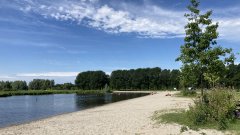
Dog feces are a major source of water pollution. Especially when it rains, the feces wash into surface water via streets, lawns, and riverbanks.
1 gram of dog feces can contain tens of millions of bacteria. When it rains, all these bacteria end up in the water. Just like manure, dog feces contain nitrogen and phosphorus. This leads to algae growth, oxygen depletion, and a decline in ecological and water quality.
When it rains, these bacteria and nutrients end up in ditches, puddles, and recreational water. This can lead to:
- excessive algae growth;
- oxygen depletion in the water;
- and a deterioration in ecological and water quality.
Waste and microplastics
Litter, such as plastic packaging or cigarette butts, can also end up in the waterway through rain and wind.
- Waste slowly breaks down into microplastics.
- These end up in surface water.
- Aquatic animals ingest microplastics.
- The particles remain in the water for years.
Microplastics make water treatment more difficult and pose a long-term threat to the ecosystem.
Impact on nature, health, and recreation
The combination of bacteria, nutrients, and microplastics can lead to:
- poorer water quality;
- public health risks;
- less safe and less appealing swimming and recreational waters.
What can you do yourself?
- Bring a poop bag with you on walks.
- Please throw away trash and dog waste bags in the trash can or take them home with you.
- Explain to children why cleaning up is important for water and nature.