
Do not feed bread to ducks
All the ducklings are swimming in the water—but should we feed them?
Clean water is important for nature, recreation, and health. A well-intentioned but common practice that has a significant impact is feeding ducks, geese, and other birds with bread. What may seem like a pleasant activity can actually be harmful to the water and the natural environment.
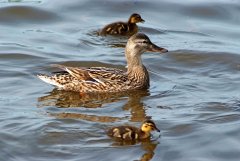
Feeding bread to waterfowl may seem harmless, but it has direct and indirect negative consequences for:
- bad food for the birds;
- water quality;
- the ecosystem;
- and the hygiene of swimming water.
More food = more birds = more pollution
When ducks and geese are fed, they keep returning to the same spot, stay there longer, and their numbers increase. As a result, the amount of bird droppings increases significantly around the water.
Bird droppings pollute the water
Bird droppings contain high concentrations of nitrogen, phosphorus, and bacteria such as E. coli. These substances end up directly in surface water.
Bird droppings essentially act as fertilizer:
- the water turns cloudy and green;
- algae gain a growth advantage;
- The oxygen level in the water may drop.
Impact on nature and swimming water
An excess of nutrients has clear consequences:
- fish mortality;
- a rotten smell caused by the decomposition of algae;
- lower rating of swimming water quality;
- disruption of the natural ecosystem.
What can you do yourself?
- Do not feed bread to ducks, geese, or other birds.
- Enjoy watching the animals, but don't feed them.
- Explain to children why feeding wildlife is bad for water and nature.