
Windmill The Hercules
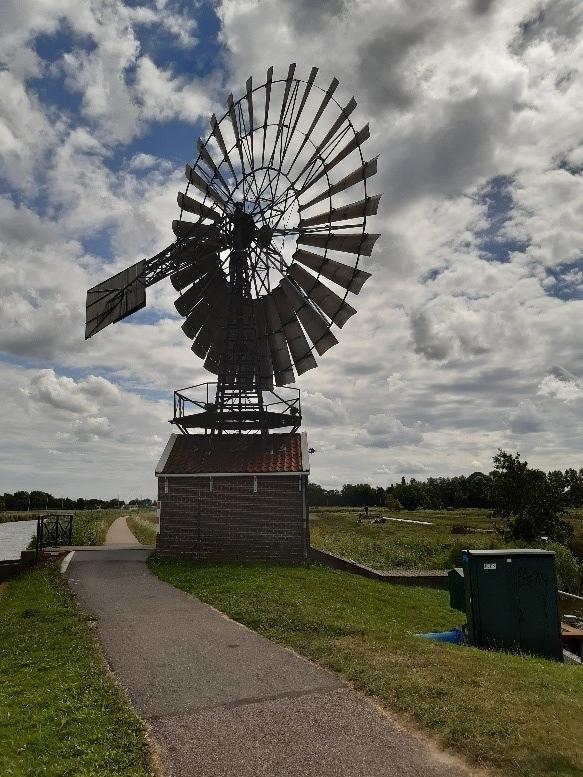
With its size and shape, the Hercules windmill is a striking feature in the open landscape of the Kalverpolder in Zaandam. Installed in 1922, the windmill is an American invention and a national monument.
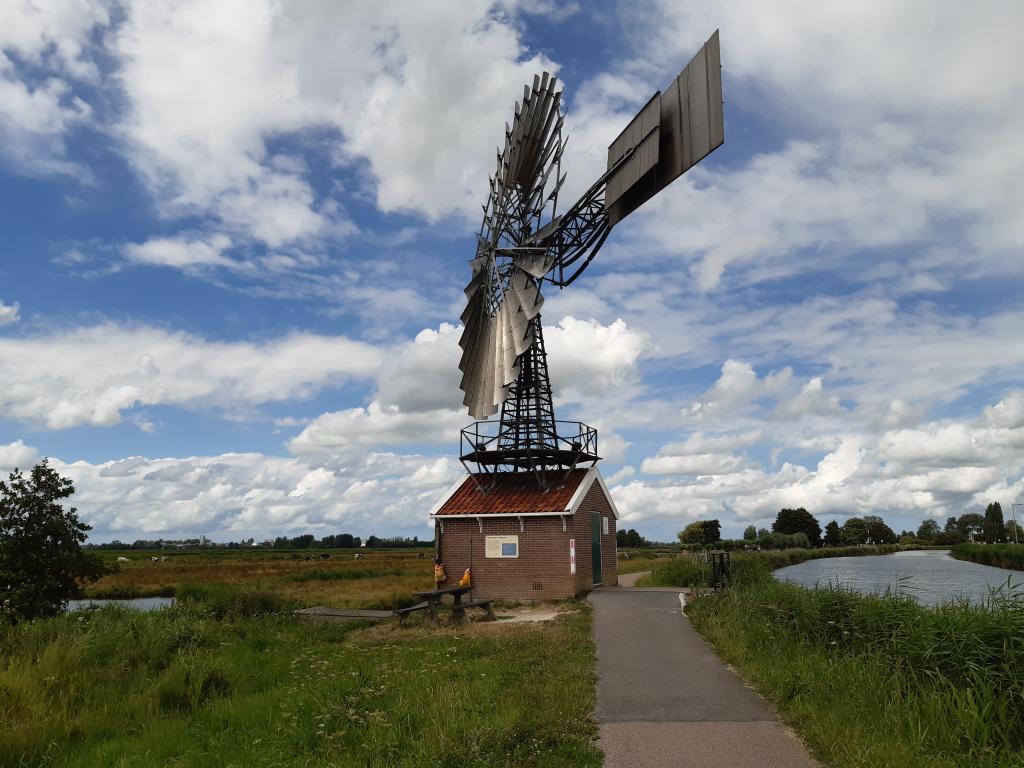
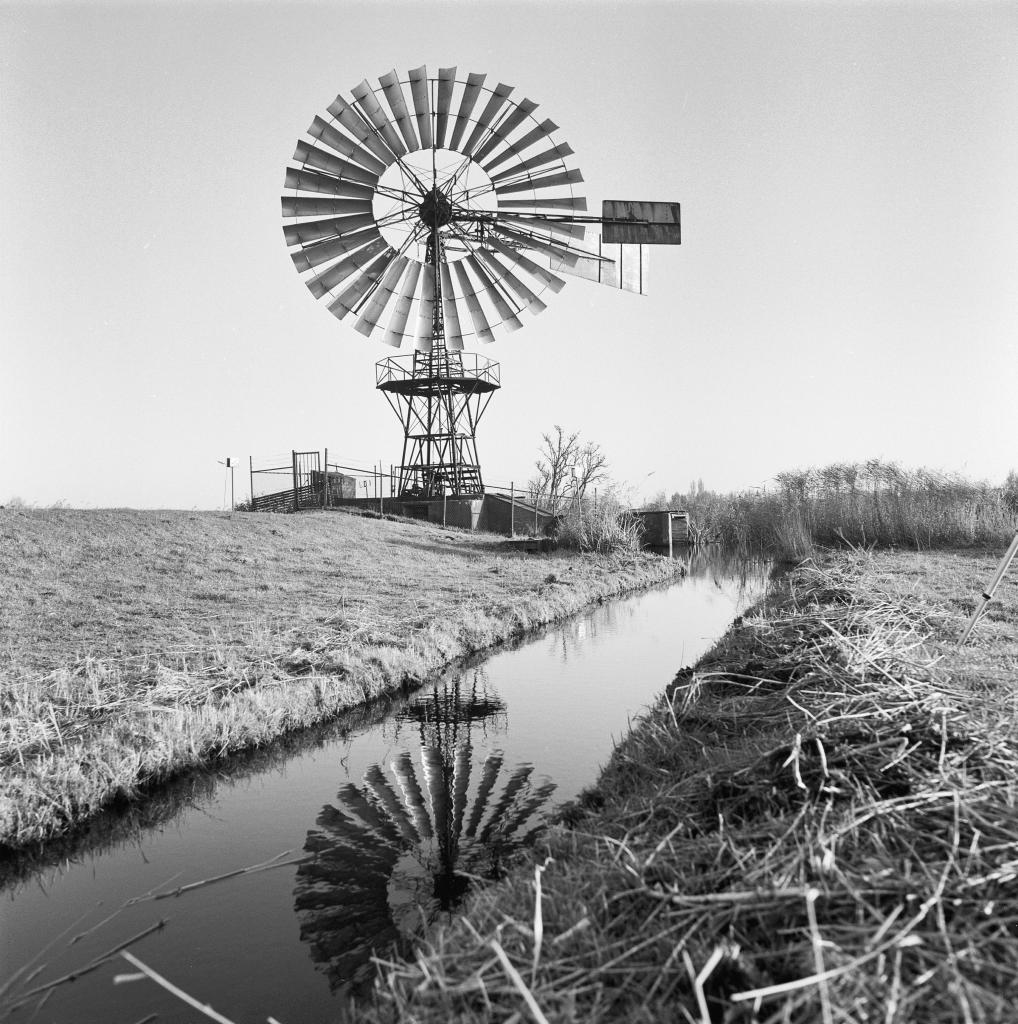
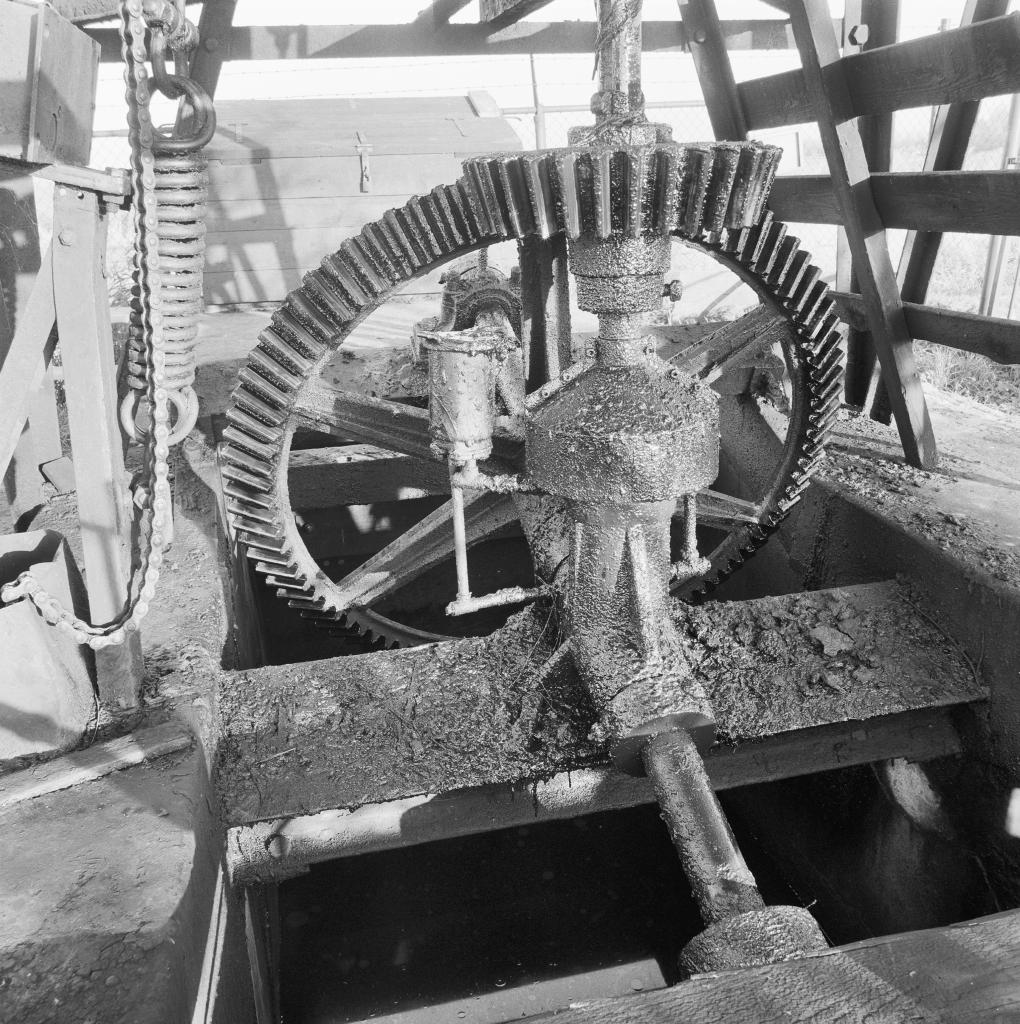
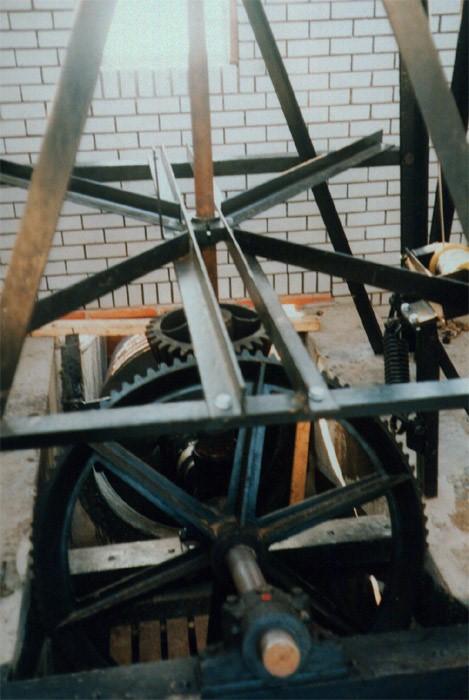
The wind turbine, approximately 16 metre , was manufactured by Vereinigte Windturbinenwerke AG in Dresden and delivered in 1922 via the Dutch importer R.S. Stokvis en Zonen in Rotterdam. This manufacturer marketed wind turbines under the name Herkules Metallicus. The mill is located on the eastern Ringdijk of the Kalverpolder. This type of mill is also known as a rose motor because of the shape of the wind wheel. The wind motor consists of a screw bowl and screw, topped by a steel structure that supports the motor body and wind wheel. The wind wheel (diameter approx. 11 m) has 30 blades and a tail consisting of a wide main vane and a side vane. The tower stands in a machine house with a platform above it. This house was installed during the renovation in the 1990s, replacing the house that was demolished in 1986 due to the risk of collapse.
The wind turbine is unmanned. The two wind vanes allow the turbine to position itself in the wind. If wind speeds become too high, the turbine automatically turns out of the wind. There were also other advantages over traditional windmills: the turbine could operate in low winds, required less maintenance, and the risk of fire was much lower.
American invention
The windmill was developed in America and was used for irrigation purposes. These types of windmills were a great success and also became available on the European market. In the Netherlands, this type of windmill was mainly used in the smaller polders of Friesland and North Holland.
The Hercules windmill regulates the water level in the Kalverpolder. Excess water is discharged (lift height of 0.70 m) into the Wijde Wormer ring canal. The Kalverpolder covers an area of 170 hectares and consists mainly of peat meadows. The polder was drained by the Pinksternakel watermill from 1636 onwards. This mill stood along the Zaan river, was replaced by the Hercules in 1922, and was finally demolished in 1925.
Saved from demolition
In 1992, the De Waterlanden Water Board—successor to the Kalverpolder Water Board, which was dissolved as an independent water board in 1981—decided to replace the Hercules with an electric pumping station. This was completed in 1993.
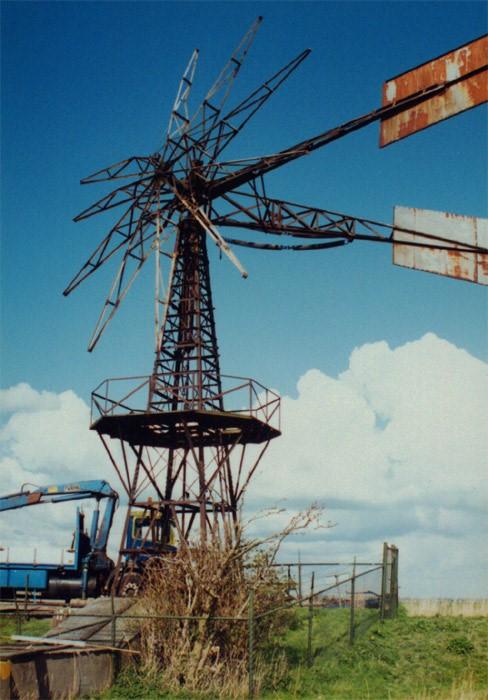
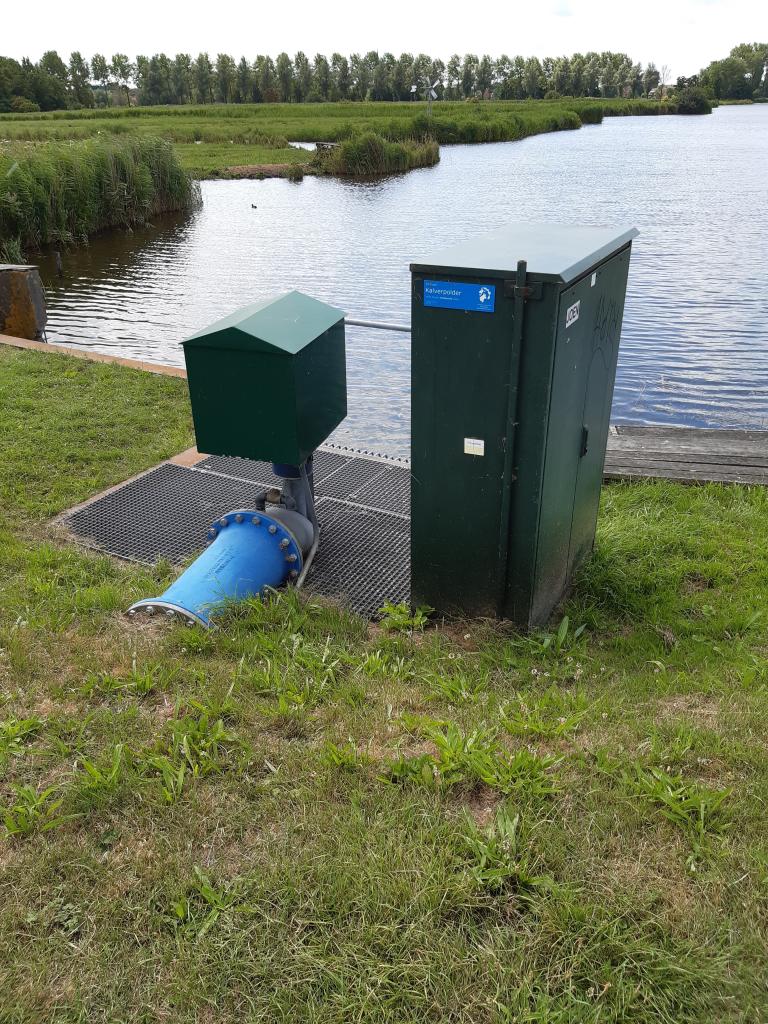
Fortunately, in 1992, the water board and the Association for the Preservation of Industrial and Technical Monuments in the Zaan Region (M.B.T.Z.) established the Roosmolen de Hercules Restoration Committee. The mill was listed as a provincial monument. Thanks to various donations and funds, De Hercules was renovated in 1995-1996. This was carried out by Machinefabriek P.M. Duyvis in Koog aan de Zaan. The cottage surrounding the steel structure was built by students from schools in the Zaan region as a learning project.
Until 2005, the windmill still played a real role in water management. After that, the small electric pumping station next to the mill took over completely and has been the main pumping station ever since. During the high water levels in the Kalverpolder in early 2021, the electric pumping station was assisted by the Hercules windmill.
Extra
- On the other side of the polder is the Zaanse Schans.
- Video of wind turbine in operation

The preservation of the mill is made possible in part by the Cultural Heritage Agency of the Netherlands and the province of North Holland.