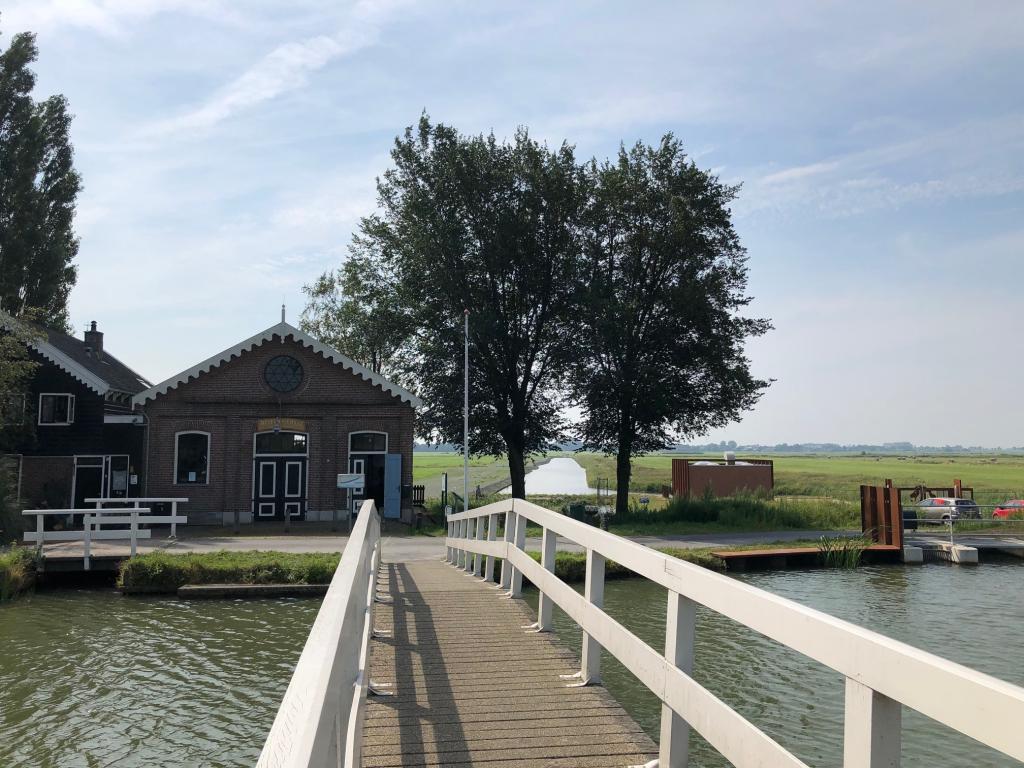
Beetskoog diesel pumping station
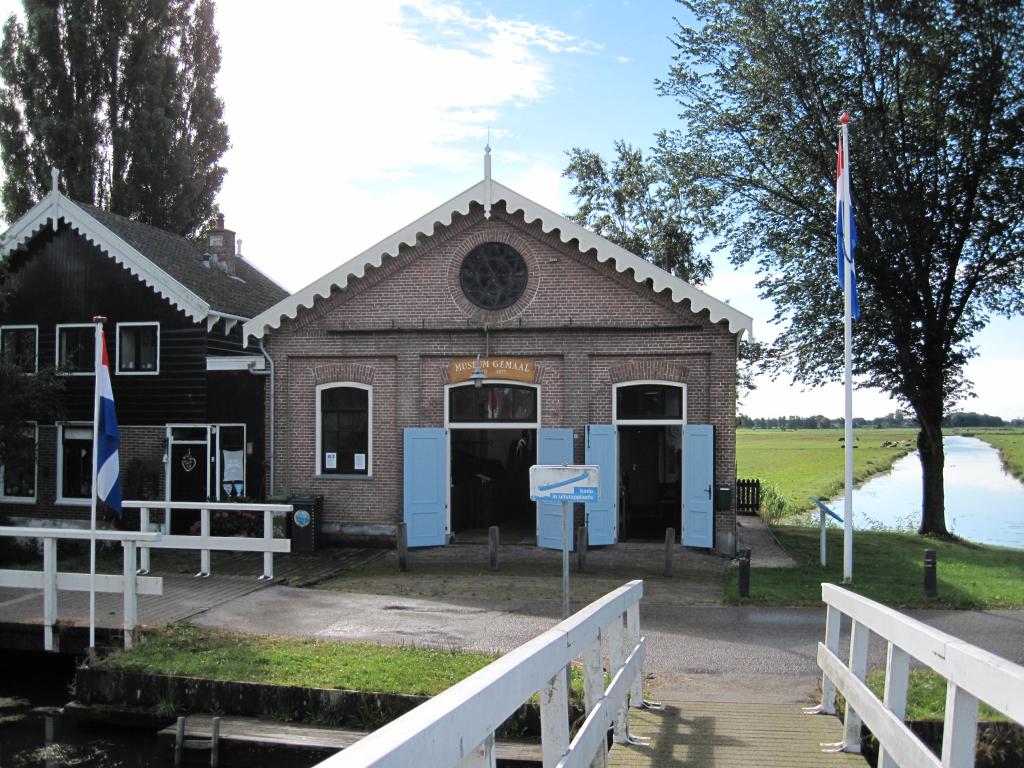
The Beetskoog pumping station once pumped water from the Beetskoog polder to the Schermerboezem. This former steam pumping station was built in 1877 and drained the polder until 1954. In 1982, it became a museum pumping station. From May to September, it is open to the public on the first Sunday of every month, and the engine is running.
Beetskoog Polder
The Beetskoog polder, located between Beets and Oudendijk, had been kept above water by windmills since the seventeenth century. In 1877, the polder switched to a steam pumping station. Dairy prices had risen sharply and farmers were willing to invest in the new steam technology. After all, wind was always an uncertain factor for windmills, while a steam pumping station offered certainty, higher yields, and even more money in the coffers.
Beetskoog diesel pumping station
Polder Beetskoog contracted the engineering firm W.C. & K. de Wit from Amsterdam to build the pumping station. Characteristic elements of this firm's architectural style were the gentle roof pitch, the rose window at the top of the facade, and the logical layout of the interior (the boiler, steam engine, and screw pump are all housed in a single structure).
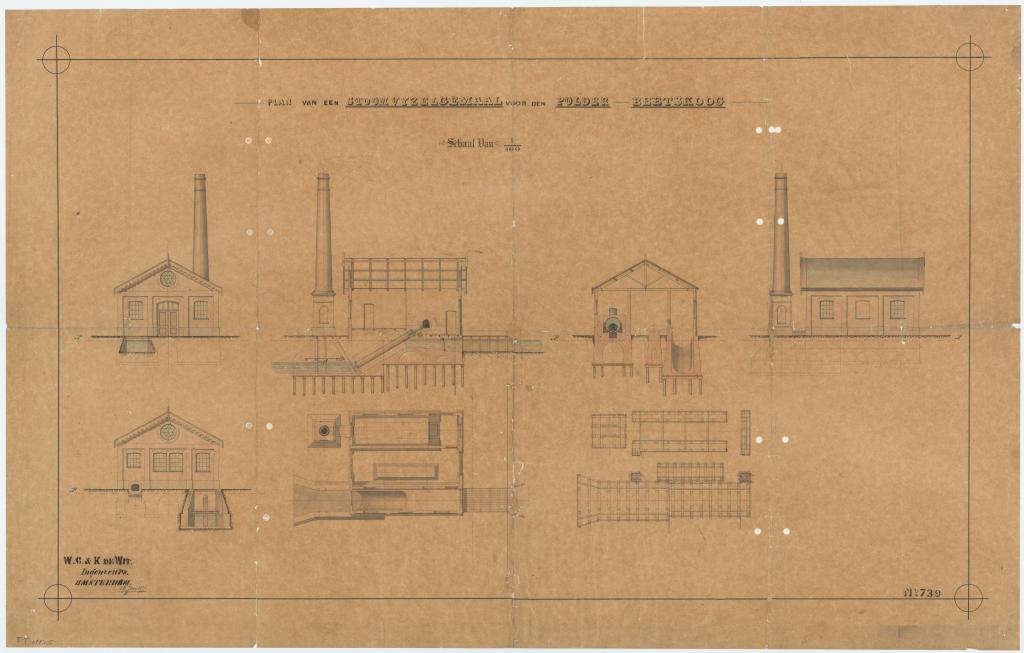
The drive consisted of a steam engine with a capacity of 22 hp. The engine drove a screw pump with a diameter of 1.65 metre, giving the pumping station a capacity of 50 cubic metre minute at a lift height of 2 metre. At the rear was a metre chimney.
Bronze diesel engine
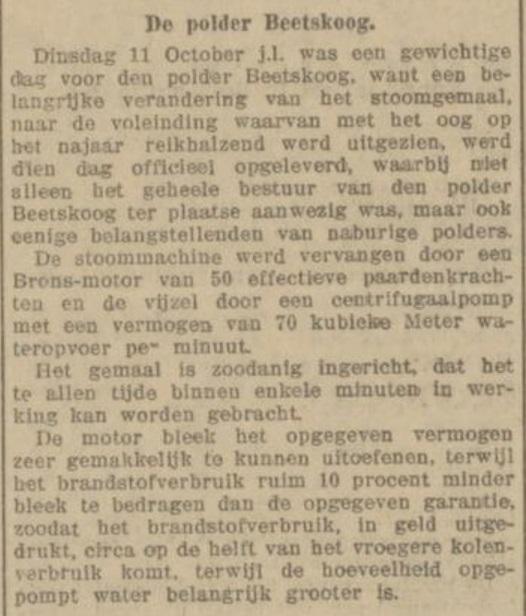
In 1910, the entire installation was renovated. The steam engine was replaced by a Brons diesel engine with a capacity of 50 hp. This was connected to a new Stork centrifugal pump by a wide leather belt, giving the pumping station a capacity of 70 cubic metre minute. This pumps the water up from -2.43 m NAP in the polder to a level of -0.50 m NAP in the Schermerboezem.
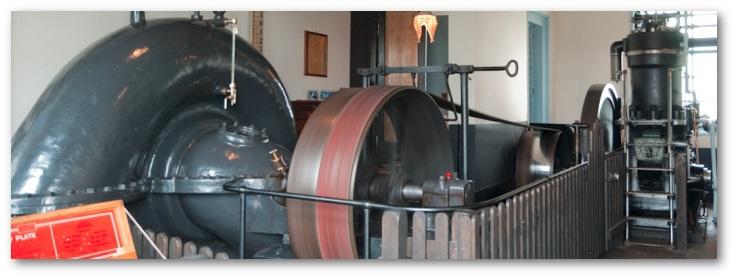
The Brons engine was invented by Jan Brons from Appingedam. He was a construction worker who had been experimenting with combustion engines since 1891. His engine did not require a fuel pump and was therefore inexpensive.

Pumping station out of service
In 1954, a new electric pumping station was built near the N247 provincial road. This pumping station took over the drainage task. The diesel pumping station functioned as a reserve pumping station until 1967 and was then decommissioned. Thanks to the vigilant neighbours who lived in the machinist's house, but especially to the efforts of former manager Berend Eikenaar—who received a royal award for his work—the 1910 installation has been preserved in complete working order. This makes the pumping station one of the few well-preserved examples of early 20th-century Dutch pumping station technology. Since 1982, the diesel pumping station has been open to the public and is listed as a provincial monument in North Holland. In 2000, the diesel pumping station was even on standby during the Millennium Bug.