Exhibition Murderers' Break
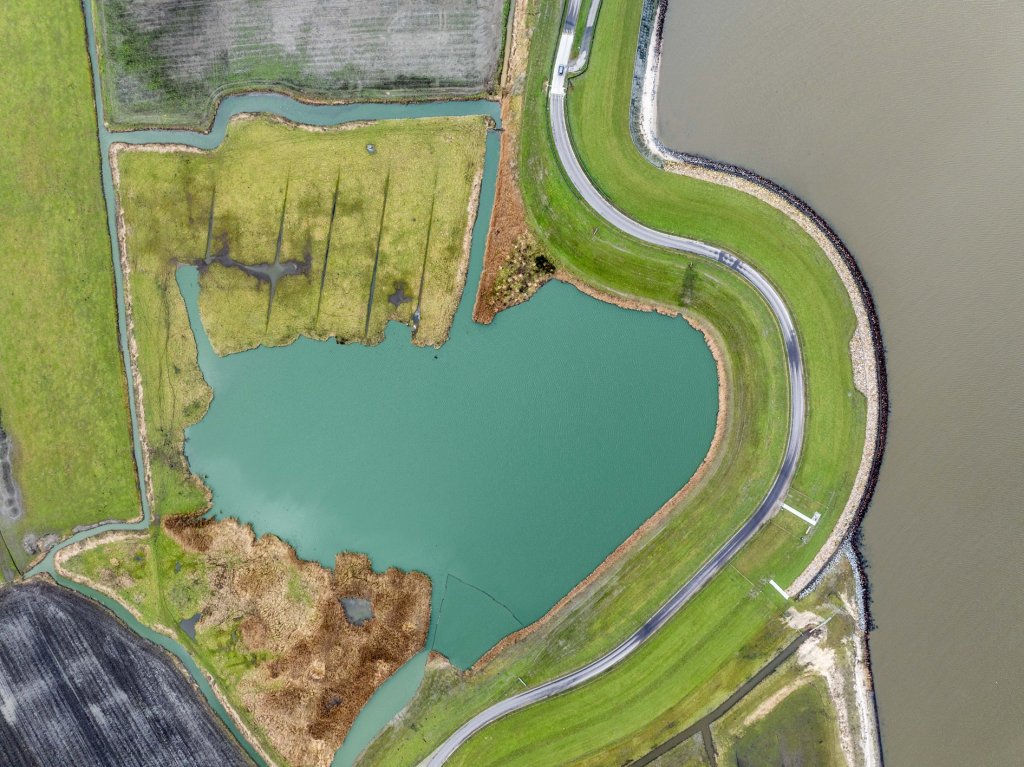
Every bend in a dike tells a story. A story of destruction, breakthrough, and repair. Those old scars are silent witnesses to fear, courage, and resilience. Growing up in the polder landscape of North Holland, photographer Loek Buter finds inspiration in his own surroundings. With his photographs, he explores the relationship between humans and nature, reconstructing the events that left scars on the landscape, such as the intriguing Moordenaarsbraak (Murderers' Break) near Warder.
A braak is an old dike breach. The water flowed so hard inland that deep holes were washed out. Because of these whirlpools, also known as wheels, it was often impossible to rebuild the dike in the same place. The only option was to build a new dike in a curve around the hole, either out to sea or inland. This is how the characteristic curves in the dike came into being. The story of these curves is now being told.
This exhibition highlights the strength and vulnerability of our dikes. The photos give food for thought. Because the question remains: how do we maintain our dikes in an area that is largely below sea level? In the fall, we are particularly alert to high water, heavy rainfall, and storms that can cause nuisance or risks. This exhibition therefore fits perfectly into the public campaign: Ready for water!
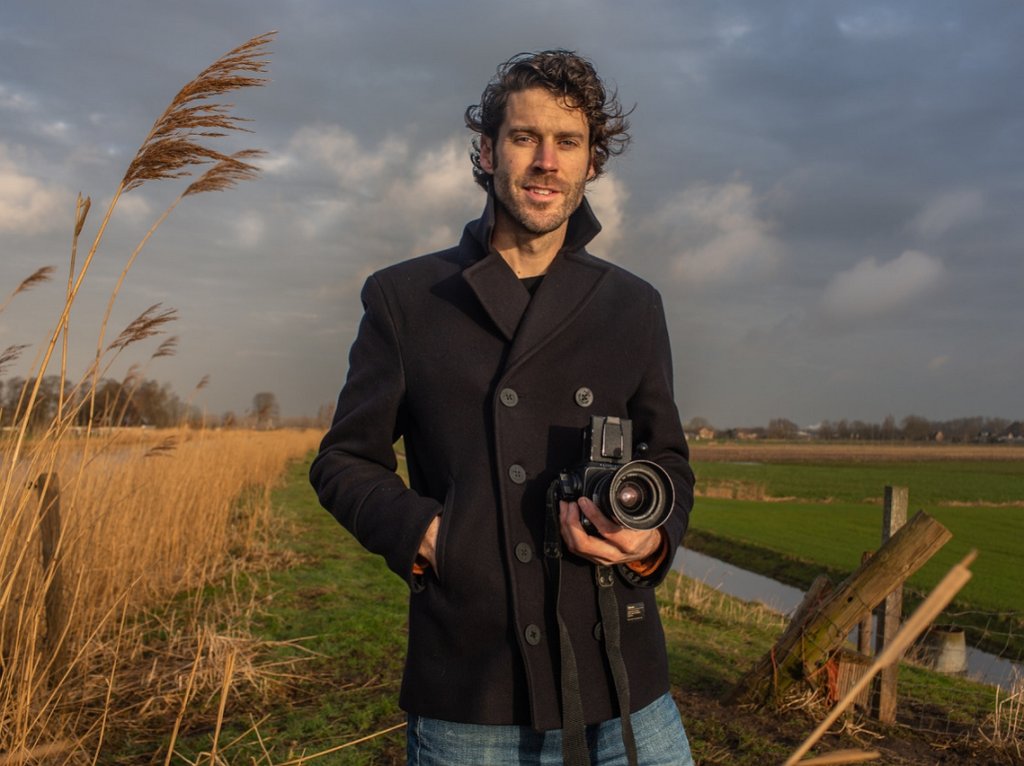
Loek Buter (1982, Langedijk) specializes in documentary photography and has worked for National Geographic Magazine and de Volkskrant, among others. His photos have been published in many renowned magazines. His work has repeatedly won awards at the Zilveren Camera, resulting in exhibitions at the Kunsthal Rotterdam and the Fotomuseum Den Haag.
Visitor information
The Moordenaarsbraak exhibition is open from now until early February 2025 during office hours (8:30 a.m. – 5:00 p.m.) in the lobby of the water board office, Stationsplein 136, 1703 WC Heerhugowaard. Admission is free. The visit can be combined with a visit to the Waterschat museum, where visitors can listen to fascinating stories about the history of the water board via a free audio tour.