Exhibition Murderers' Break
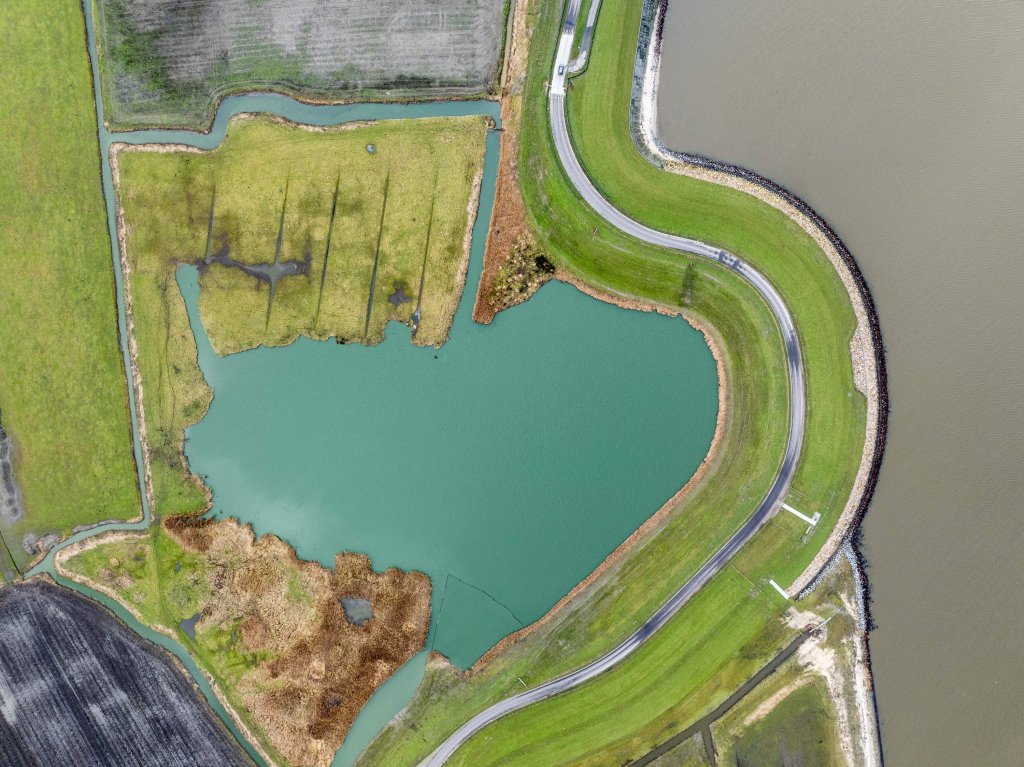
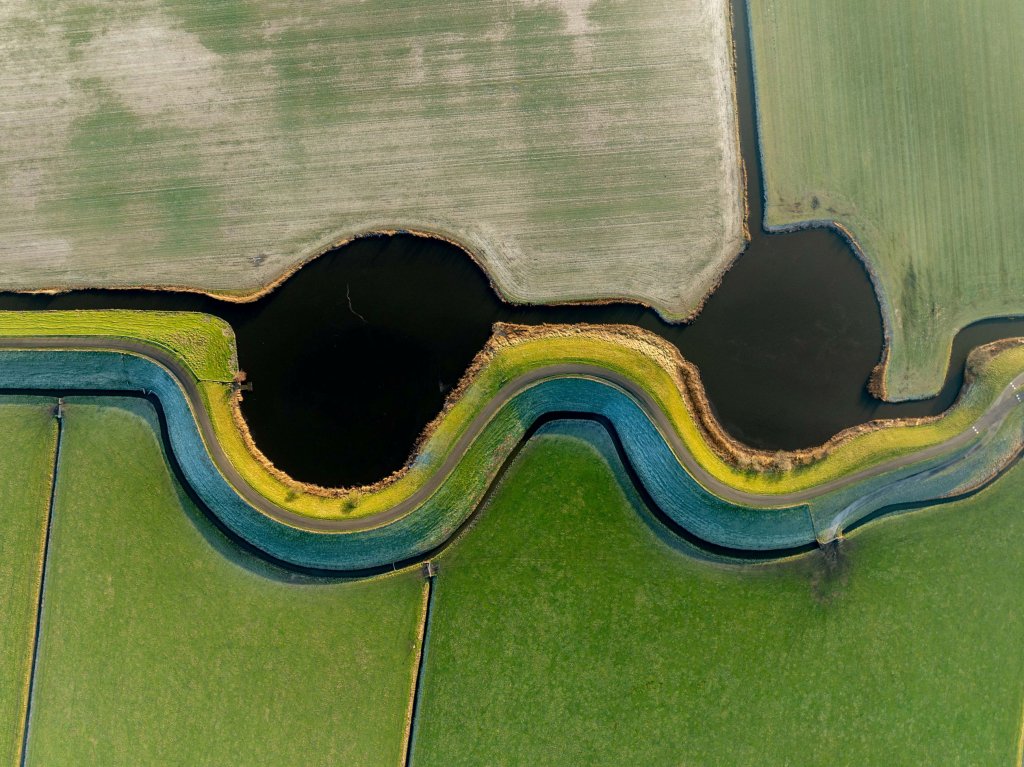
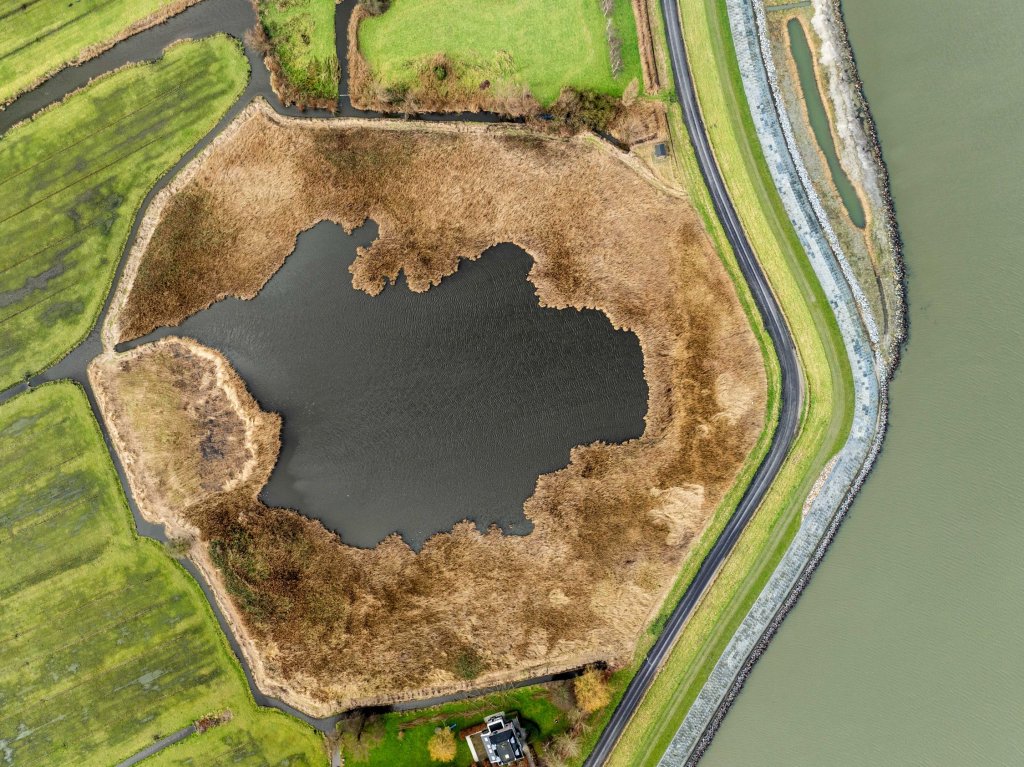
In his new exhibition Moordenaarsbraak (Murderers' Breach), photographer Loek Buter (1982) focuses on eleven old dike breaches. The scars of these old breaches can still be seen right next to the dikes. With his photos, he explores the relationship between humans and nature. Buter searches for the old wounds left behind in the landscape, such as the intriguing Moordenaarsbraak near Warder.
This exhibition ties in with our public campaign Ready for Water, which aims to raise awareness among residents about the consequences of extreme weather. Because the question remains: how do we maintain the dikes in our area, much of which lies below sea level? Moordenaarsbraak is now on display at the HHNK headquarters in Heerhugowaard. Admission is free.
Loek Buter
Raised in North Holland, photographer Loek Buter seeks subjects in his own environment. He specializes in documentary photography and has worked for National Geographic Magazine and de Volkskrant, among others. His photos have been published in many renowned magazines. His work has repeatedly won awards at the Zilveren Camera, resulting in exhibitions at the Kunsthal Rotterdam and Fotomuseum Den Haag.
Vomit
A breach is an old dike breach. The water flowed so hard inland that deep holes were created. Due to these whirlpools, also known as 'wielen', it was often impossible to rebuild the dike in the same place. However, it was possible to build a wider arc around the hole or to give part of the land to the water. This created the characteristic curves in the dike, as is the case with the Moordenaarsbraak. This breach is named after a tragic event. Close to the place where the dike broke, south of Warder, there was once a farm. The farming family perished and was literally 'murdered by the sea'.
Temporary exhibitions
Moordenaarsbraak is now on display in the lobby of the water board office. New exhibitions on the theme of water are held here several times a year. Address: Stationsplein 136, 1703 WC Heerhugowaard (Mon-Fri, 9:00 a.m.-5:00 p.m.). The Waterschat museum space also displays many highlights from our collection. The accompanying audio tour provides fascinating stories about the history of the water board. Admission is free.
Water board collection
The water board has a wide range of water heritage dating back centuries. The silver cups, old maps, locks, mills, pumping stations, dikes, and paintings tell the story of our origins. All this water heritage helps to keep our history alive and supports the fight against water. Innovations and decisions from the past provide useful insights for decisions in the future.